Greener energy
Greener energy in transport, industry, and our electricity networks - plus all that goes with this

Wednesday Brunch: who pays for resilience ?
Improved resilience is often quoted as a potential motivation for companies to invest in sustainability. While this is broadly correct, we also need to recognise that investing in resilience is a bit like paying for insurance. You may never end up using it, but you still incur the cost.
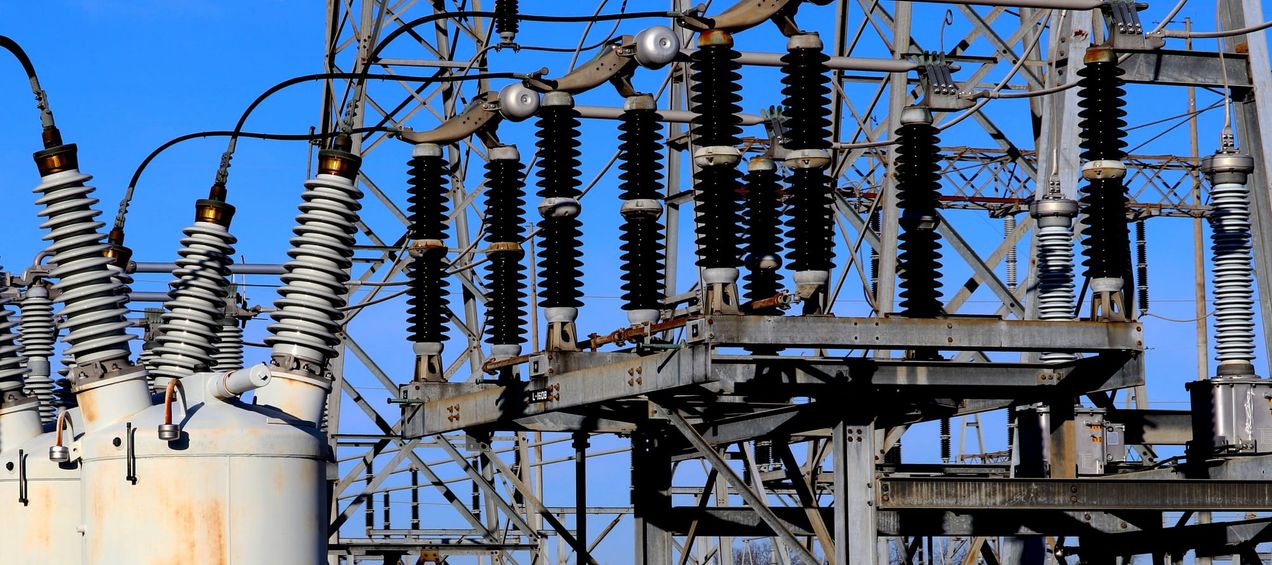
Sunday Brunch: Green electricity needs better networks
Growing electricity demand is adding to the pressure on our grids. Grid limitations are one of the biggest barriers to rolling out green electricity at scale. But this is a solvable challenge - we have the technology already. And there is a lot that investors can do to make this happen faster.
Sunday Brunch: near term industrial electrification
For investors, the decarbonisation of heavy industry is problematic. Many technologies need more development, and the economics are challenging. But this doesn't mean there is nothing we can do. Some solutions such as electrification are closer to commercial roll out at scale than you might think.
Sunday Brunch: human capital, the hidden investment factor ?
Financial markets can be very efficient, but they can also struggle to absorb some types of competitive advantage information. Human capital is a good example, which makes it a useful blind spot for both sustainability and financial investors.
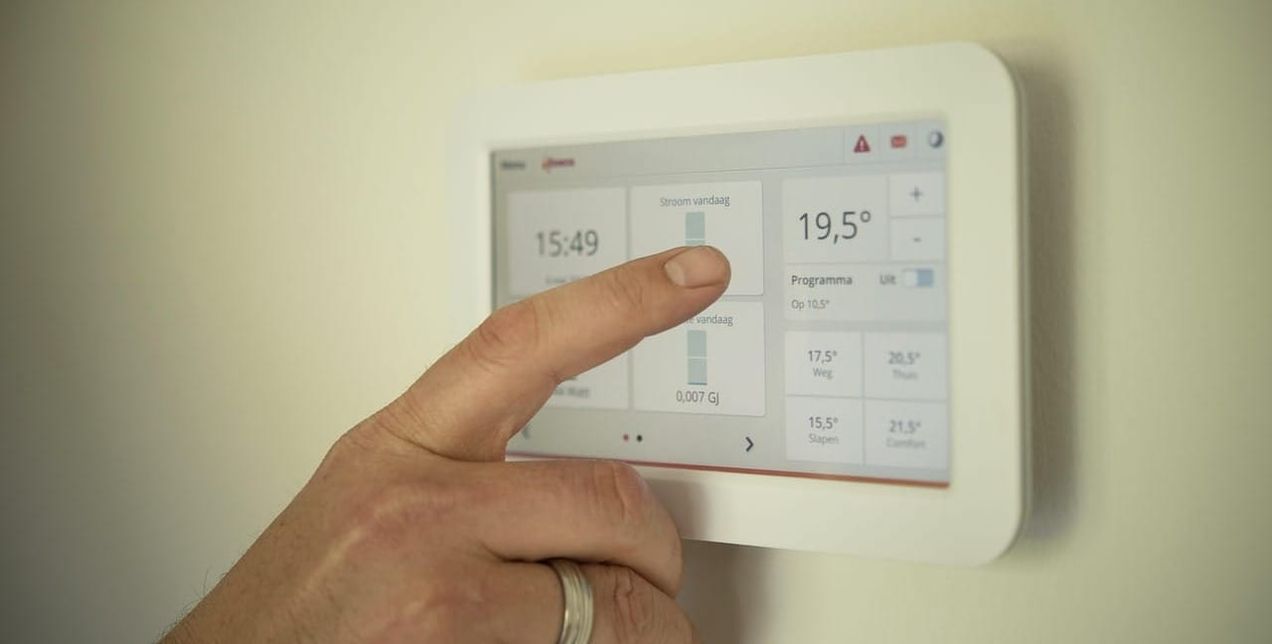
Sunday Brunch: old problem in need of a new solution?
Sometimes the old way of operating reaches the end of the road. Then we need a new business model, one that reflects how the world actually works. Home heating in countries with expensive electricity could be our real world example. Could heating as a service be an answer?
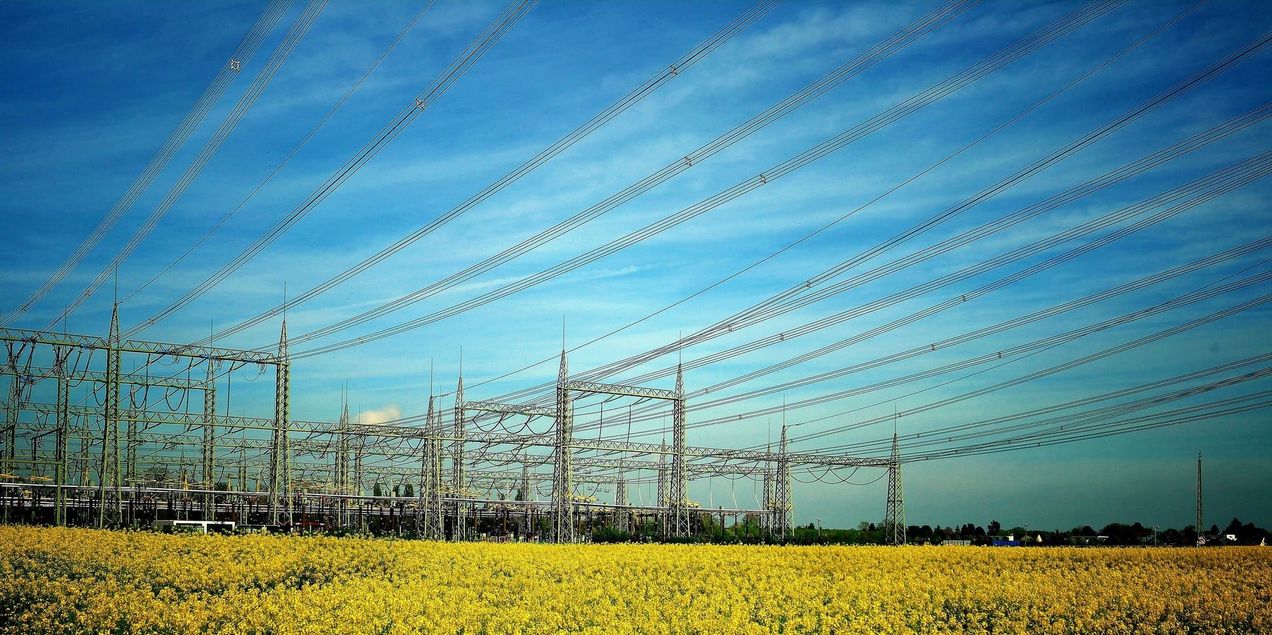
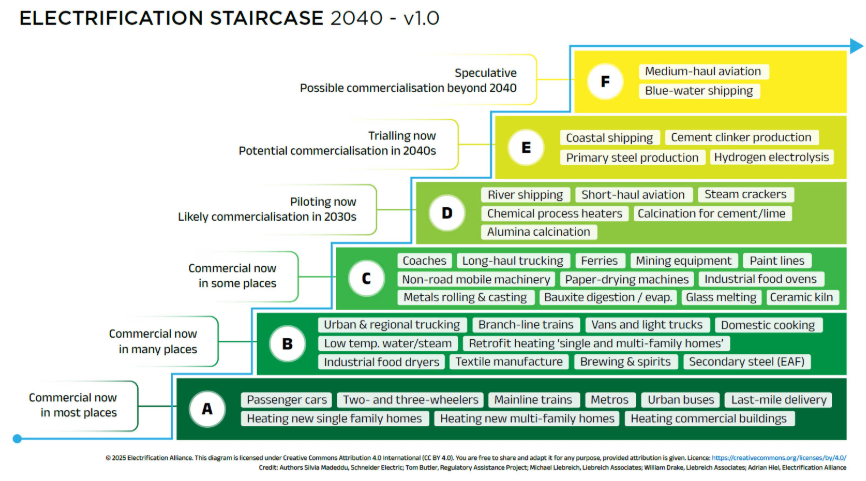
Sunday Brunch: electrification - start with the viable applications
We often hear the phrase 'electrify everything' - a key element in getting us to net zero. But not all electrification solutions are financially viable. What should investors focus on? Michael Liebreich & team have come up with a handy 'ladder'. Which you invest in depends on your time horizon.
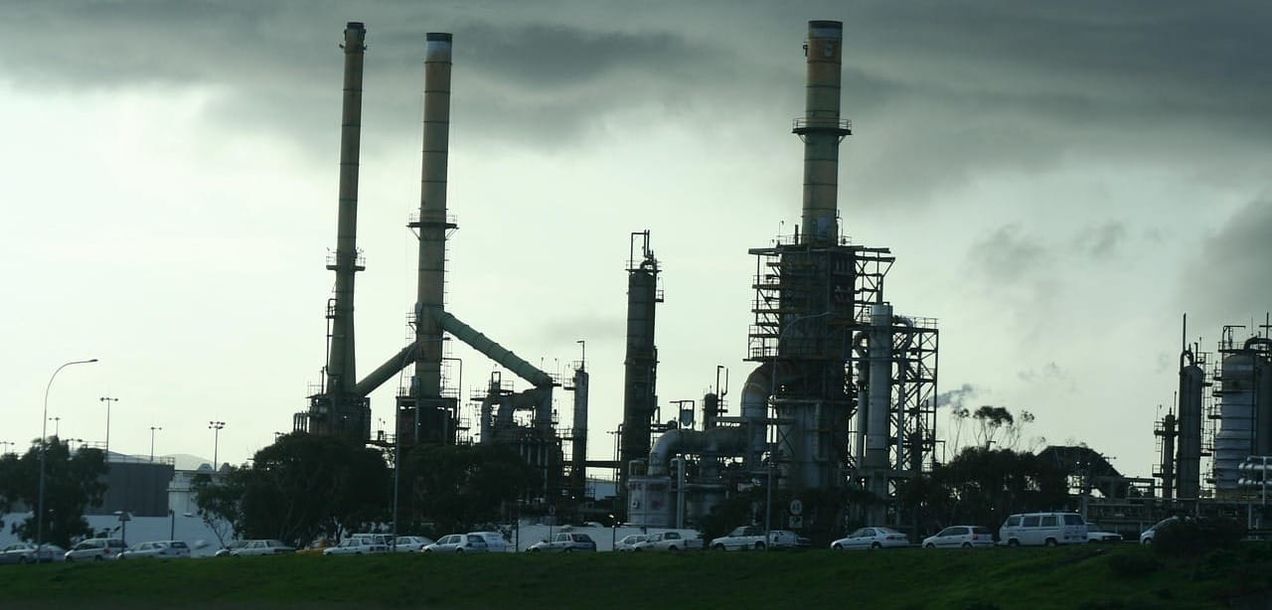
Sunday Brunch: Can we rely too much on one technology ?
Much of the time it's right to argue that we need to focus on 'everything, everywhere, all at once'. But not always. Sometimes, when we look at sustainability challenges from an investor perspective, expecting new technology to solve our problems is too risky.
Sunday Brunch: Forecasting is tough but necessary
Like most of you I am rubbish at forecasting. Which is a problem if you believe (as I do) that the future will not look like the past. Extrapolating history can result in us investing in industries in decline. The good news is that we only need to get the direction of travel right, not the detail.

Sunday Brunch: Should I invest in electric buses ?
Living as I do in Europe, the shift to electric buses looks strong, capturing a growing share of the new bus market. But from an investor perspective is this the full picture. Yes & No. Other questions we also need to ask - how many existing buses are electric, and where are the sales happening?

Sunday Brunch: automotive outlook - yet more challenges
It's not getting easier for many automotive companies. Sales are will likely remain below pre covid levels for some time, and margin pressure looks unlikely to abate. And EV investment needs are rising. Can we expect them to be able to fund the EV transition - or does the future lie elsewhere?
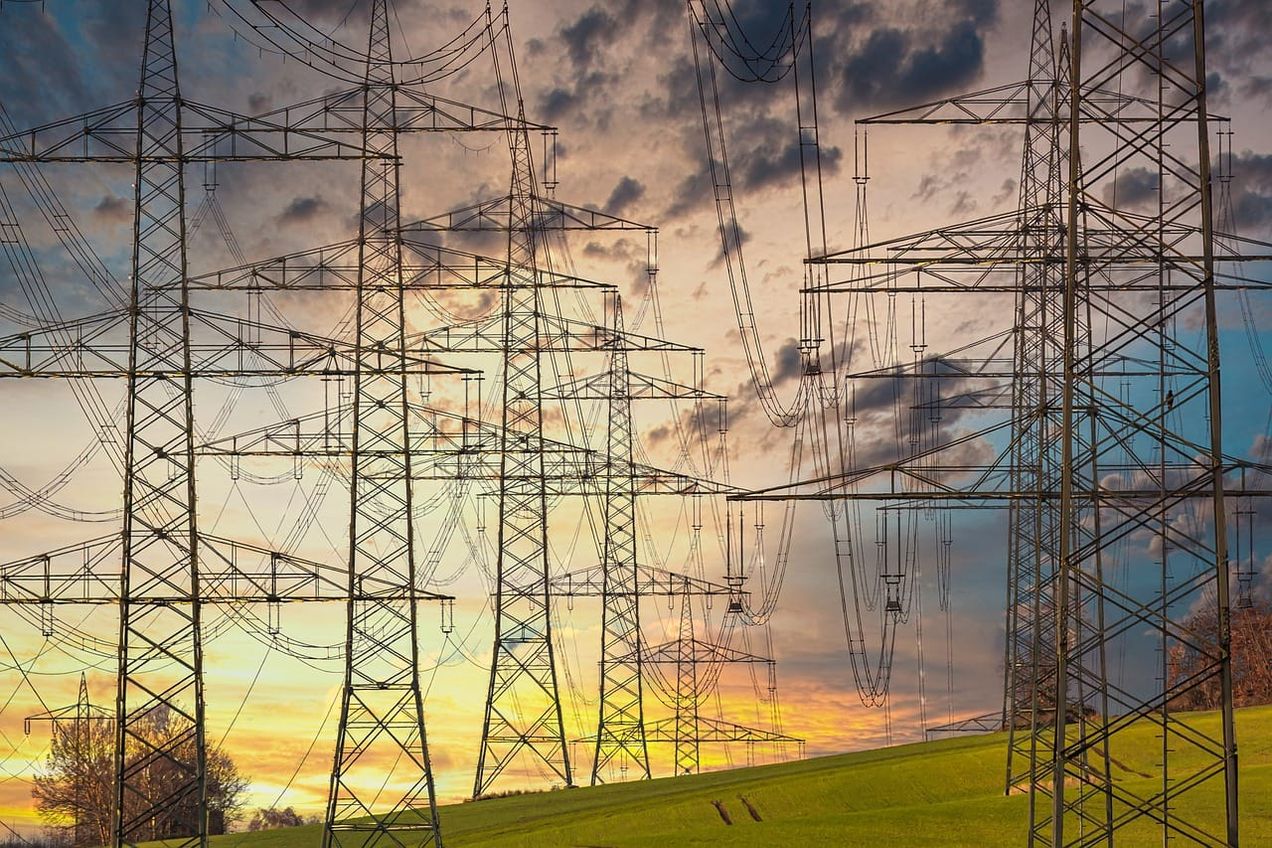
Sunday Brunch: where should we focus - electricity utilities ?
Dr Ellen Quigley argues investors can make the 'most' difference in our efforts to reduce GHG emissions by focusing on the utility sector. This was one of the many really interesting points to emerge from a recent interview she gave with with Tom Gosling - it's well worth watching.

Sunday Brunch: energy security is not the same for all countries
The shift to renewables is not just about cost or emissions. One argument used to support the shift is energy security - reducing reliance on imported fossil fuels. It's broadly correct. But it should be used with care, it doesn't apply to all countries.