
Wednesday Brunch: Rice & GHG emissions
Over half of the world relies on rice as a daily food staple. It is also responsible for large amounts of methane emissions. And it consumes c. 40% of global irrigation water. But there is a better way to grow it - it's just scaling it up is tough. Which is where investors can play a part.
Sunday Brunch: near term industrial electrification
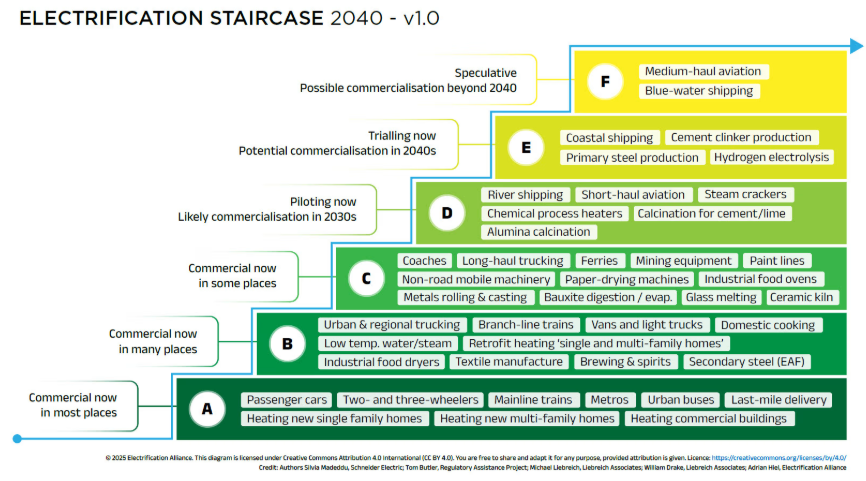
For investors, the decarbonisation of heavy industry is problematic. Many technologies need more development, and the economics are challenging. But this doesn't mean there is nothing we can do. Some solutions such as electrification are closer to commercial roll out at scale than you might think.

Wednesday Brunch: who should act on deforestation ?
Deforestation is an important sustainability challenge. And it's one that investors should care about. What is less clear is how we can actually make a difference. Part of the answer is engaging with companies to prepare for & meet regulations. But can we (and should we) do more?

Sunday Brunch: nothing in investing is easy
We recently wrote about the importance of narratives. Investors need to fully understand the current narrative before they can identify where it might be wrong. And this is a lot harder than you might think. It takes a lot of work. But it's worth it.
Sunday Brunch: changing the narrative - electric trucks !
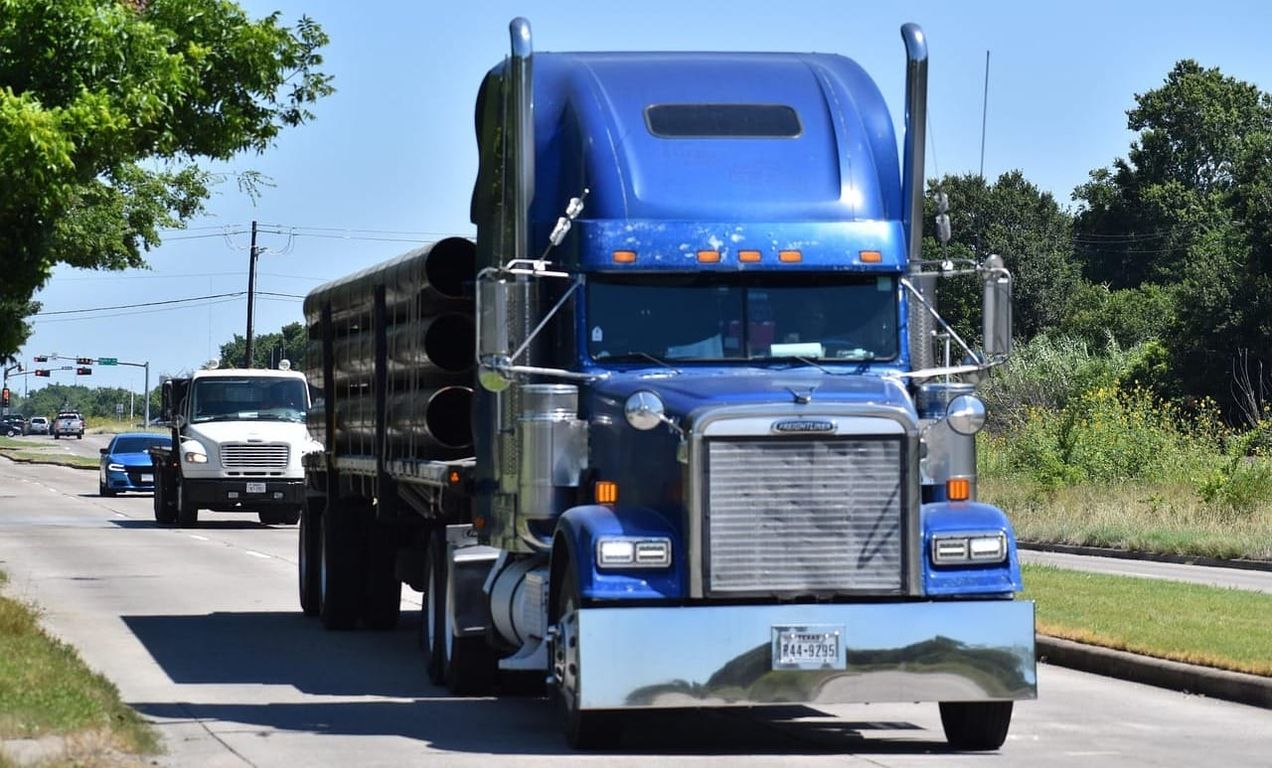
We recently wrote about the importance of narratives. And how changing the narrative can influence investor behaviour and improve company engagement. One common narrative is that while passenger EV's might be taking off, it's a lot harder for trucks. But is this really true?

Sunday Brunch: the risks around new technology
Investors think about risk weighted returns. And solutions that need considerably more development or a lot of cost reduction are more risky. Which require much higher potential financial returns to make them attractive. This has real implications for the funding of some sustainability solutions.

Sunday Brunch: narratives - the stories we tell ourselves
Narratives drive financial markets, the story we tell ourselves comes first, and we often fit the data around it. A good narrative can be better than good financials. And the same applies to sustainability. People need a story to anchor their beliefs - so maybe focusing on numbers first is wrong.
Sunday Brunch: are we making climate impacts worse rather than better?
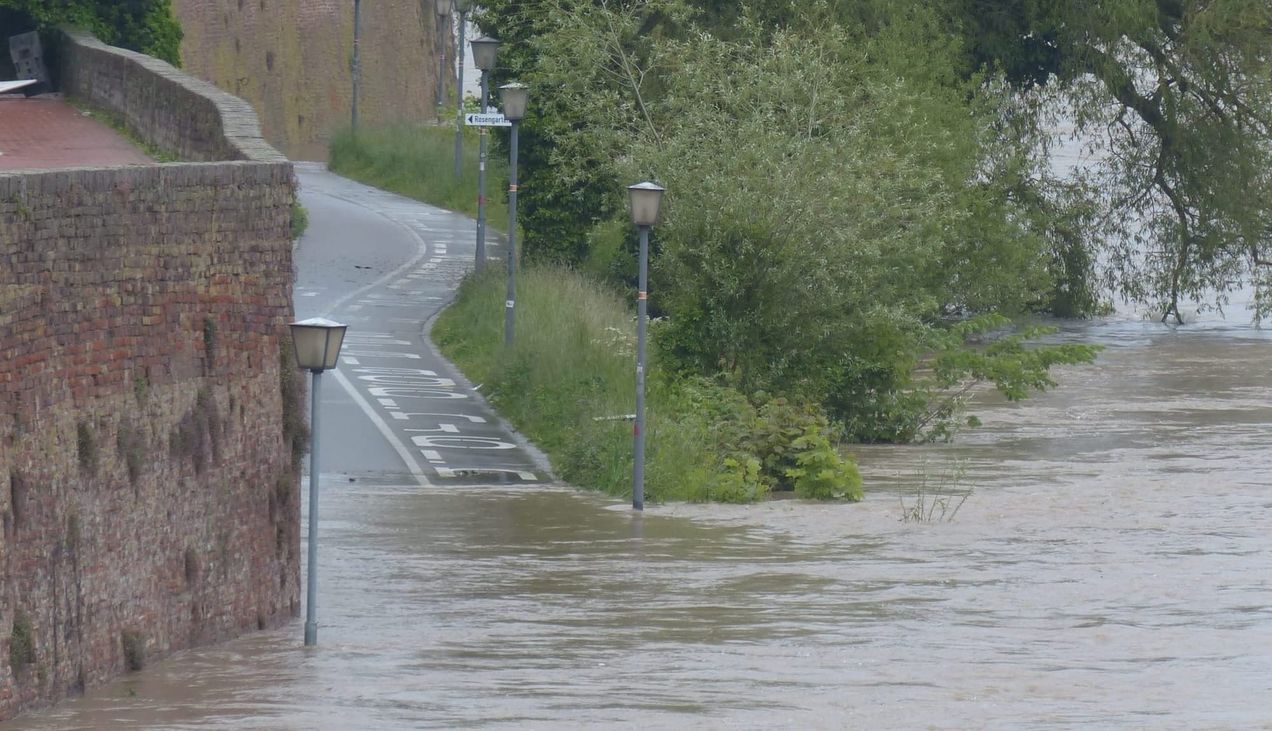
Flooding is one of the most damaging impacts of climate change. But not all of the risk comes from changes in precipitation patterns. How we deliver increasing urbanisation also plays a part, as we concrete over nature's natural defenses. This is an extra risk for investors we need to prepare for.

Sunday Brunch: how human capital creates financial value
If we cannot explain how people add financial value, it's hard to get companies to adopt better human capital practices, and to get investors to take it seriously. The good news is that we have a framework, it's called Corporate Architecture - and in a way it's similar to good building design.
Sunday Brunch: human capital, the hidden investment factor ?
Financial markets can be very efficient, but they can also struggle to absorb some types of competitive advantage information. Human capital is a good example, which makes it a useful blind spot for both sustainability and financial investors.

Sunday Brunch: old problem in need of a new solution?
Sometimes the old way of operating reaches the end of the road. Then we need a new business model, one that reflects how the world actually works. Home heating in countries with expensive electricity could be our real world example. Could heating as a service be an answer?
Sunday Brunch: electrification - start with the viable applications
We often hear the phrase 'electrify everything' - a key element in getting us to net zero. But not all electrification solutions are financially viable. What should investors focus on? Michael Liebreich & team have come up with a handy 'ladder'. Which you invest in depends on your time horizon.